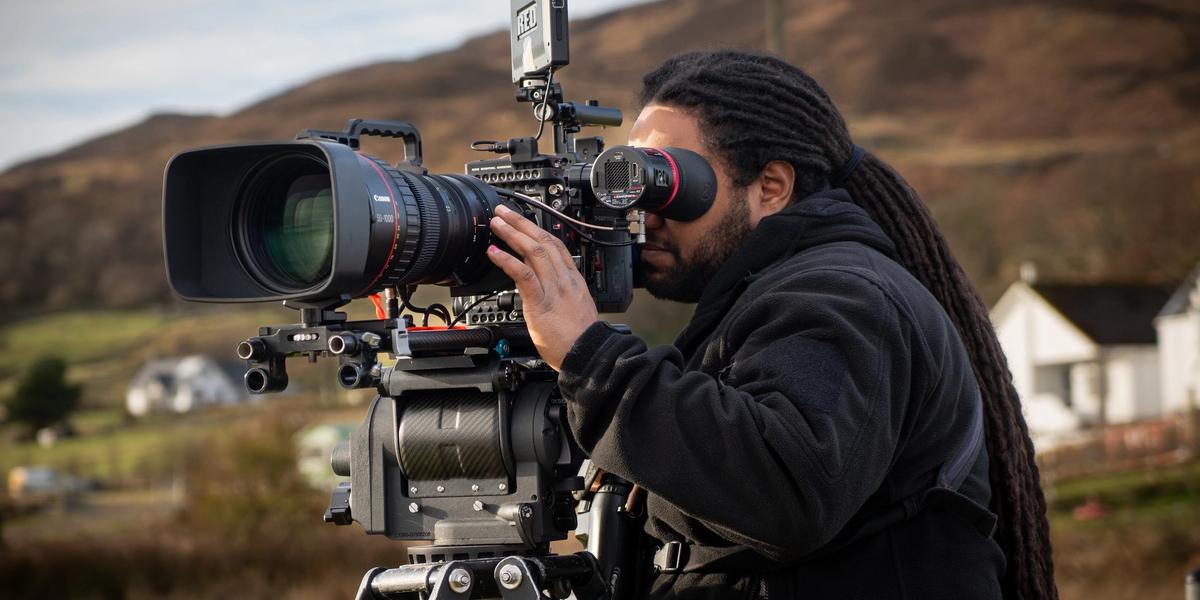
How Travel Filmmakers Can Document African Landscapes in 2026

Vera Ifechukwu
Click to view profile
African landscapes offer a spectacular palette for travel filmmakers, from sweeping deserts and lush forests to roaring waterfalls and vibrant coastlines. In 2026, demand for authentic, cinematic content continues to rise, driven by audiences who crave real stories and immersive visuals.
For filmmakers planning to capture Africa’s essence on film, understanding where the most striking locations lie and how to approach these environments will elevate your work. Showcase Africa provides practical guidance and location insights to help you capture breathtaking visuals and authentic moments across the continent.
Choose Iconic Natural Wonders Like the Okavango Delta
The Okavango Delta’s labyrinth of waterways and wildlife makes it one of Africa’s most compelling filming locations. This UNESCO World Heritage region has been featured in acclaimed documentaries and exploration films, showcasing its rich biodiversity and dramatic river scenes. Its floodplain environments offer dynamic shots for nature- and conservation-focused work when building travel filmmaking stories in Africa.
Capture the dramatic Savannah in the Masai Mara and Serengeti
Few landscapes rival the sweeping plains of Kenya’s Masai Mara and Tanzania’s Serengeti for dramatic footage. These regions host classic wildlife moments such as the Great Migration, where millions of wildebeest and zebra move across open grasslands. Such scenes provide powerful visual narratives for travel and wildlife films that celebrate natural rhythms and seasonal movement across Africa.
Explore Uganda’s Lush Forests and Waterfalls
Uganda’s varied landscapes are ideal for capturing verdant forests, cascading waterfalls, and rivers that feel cinematic at every turn. Locations like Bwindi Impenetrable National Park, Sipi Falls, and Murchison Falls offer lush, atmospheric visuals that bring documentary photography and film to life. These scenes are especially useful for storytellers seeking rich colour and dynamic movement in nature sequences.
Leverage Coastal Seascapes and Fynbos Near Cape Town
South Africa’s coastal regions near Cape Town provide filmmakers with access to a blend of dramatic shoreline, mountains, and unique vegetation. Filming locations like Springfontein Estate on the West Coast feature diverse terrain, including dunes, fynbos, and open sandy areas, perfect for cinematic outdoor sequences. These backdrops are ideal for travel films that transition between land and sea.
Blend Urban and Natural Scenes for Storytelling Depth
Urban centres like Lusaka or Lagos offer stark visual contrasts to Africa’s natural landscapes, allowing filmmakers to mix city life with wilderness footage. Urban narratives can highlight culture, daily life, and local stories, adding contextual richness to your film projects. Working with fixers and local crews helps capture these moments authentically.
Practical Tips for Successful Filming Across Africa
Before filming, secure the required permits, especially for protected parks and heritage sites. Invest in stabilisation gear and drones for aerial shots without compromising safety or regulations. Plan for backup power and storage solutions, as remote locations may lack reliable electricity. Engage with local fixers, guides, and communities to deepen your storytelling and ease logistics on the ground.
Learn how travel filmmakers can document African landscapes in 2026 with location insights from the Okavango Delta, Masai Mara, Uganda forests, and Cape Town. Get practical tips and creative inspiration.
Visit our website for more insights on filming locations in Africa, technical tips for travel filmmaking, and curated guides with updates on the best places to shoot in 2026.