How Traditional Games Build Community Bonds

Andy Akinbamini
Click to view profile
Your grandmother knew something smartphones will never teach. When she gathered children under baobab trees for Ayo or Morabaraba, she wasn't just killing time. She was manufacturing social glue that held communities together through droughts, migrations, and political upheavals.
African traditional games served as infrastructure for human connection long before anyone needed apps to schedule playdates or algorithms to suggest friends. These games didn't simply entertain; they educated, socialized, and bonded people across generations.
Intergenerational Knowledge Transfer Happens Through Gameplay
Traditional games bridge age gaps, fostering intergenerational relationships and promoting respect for elders. When grandparents teach Diketo or Nyama-Nyama-Nyama, they're not just explaining rules. They're transmitting cultural values, historical context, and survival wisdom through gameplay mechanics that younger generations absorb through participation rather than through lectures.
Strategic Games Develop Critical Thinking Within Social Contexts
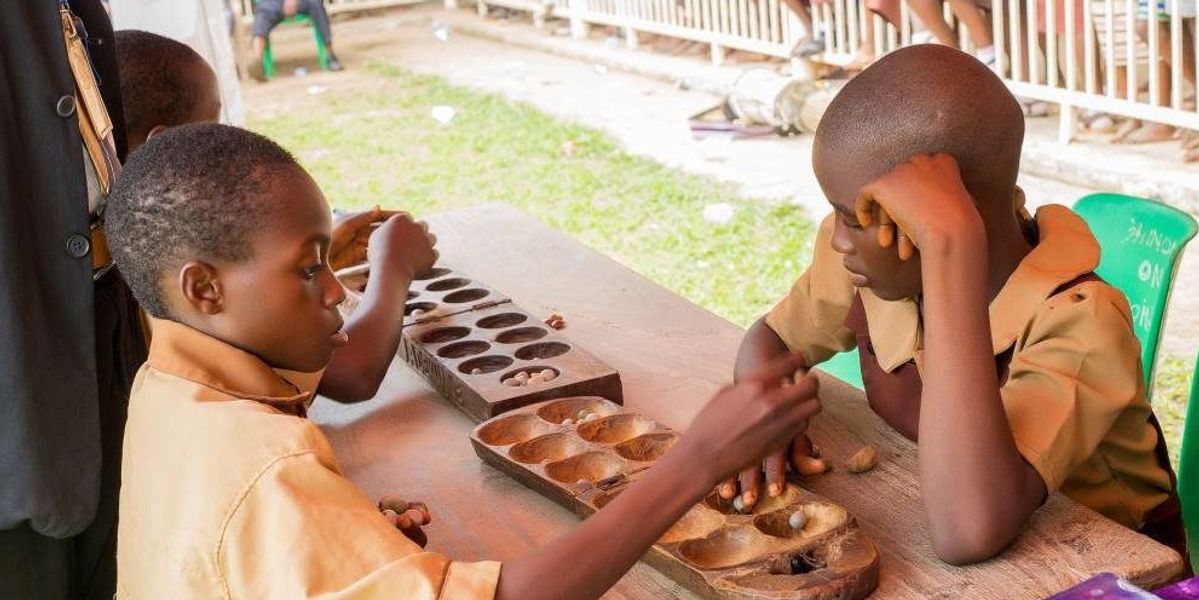
Mancala teaches children and adults alike counting, planning, patience, and teamwork. These logic-based games require forward-thinking while creating platforms for interaction among different age groups. Players develop mental agility through strategic decisions made in communal settings where victories feel sweeter, and defeats hurt less because you're surrounded by people who will play again tomorrow.
Trends Show Games Instilling Cultural Values Through Repetition
About 23 traditional Akamba games identified were crucial in fostering social cohesion and serving as mediums for reinforcing community values. African traditional games teach desired attitudes and skills through repetition that feels enjoyable rather than educational. Children learn cooperation, leadership, and fair play not through lectures but through games where those values determine who wins and who gets invited back.
Physical Games Create Shared Memories Through Active Participation
Ampe from Ghana and Morabaraba from Southern Africa involve physical activity that promotes health alongside social bonding. These communal activities bring people together in shared experiences that foster supportive environments, strengthening social bonds within townships and villages. Running, jumping, and coordinating with teammates creates memories that sitting passively watching screens simply cannot manufacture.
Community Events Transform Games Into Cultural Celebrations
South Africa's annual Indigenous Games Festivals, held every September since 2005, operate under the mantra "My games, My roots, My future." These organized events recognize how African traditional games foster social cohesion while helping people understand the rich histories that inform cultural interactions. Tournaments become celebrations where entire villages gather, creating a collective identity through play that unites rather than divides.
African traditional games strengthen the community through shared play. Learn how games like Mancala and Morabaraba foster social cohesion and cultural identity.
Visit our website for insights, creator stories, and trends shaping Africa.