How Spiritual Beliefs Influence Cultural Expression

Andy Akinbamini
Click to view profile
You can't separate African art from the spirits it serves. Every carved mask, painted symbol, and sculpted figure exists because someone believed the divine needed form, ancestors needed honour, and communities needed visible connections to invisible worlds.
African belief systems don't just inspire art; they demand it, requiring human hands to give shape to forces beyond sight. This isn't decoration or entertainment; it's expression serving as spiritual technology, bridging realms that logic says shouldn't touch. Walk into any collection of African art, and you're not really looking at objects. You're witnessing conversations frozen in wood, clay, and bronze.
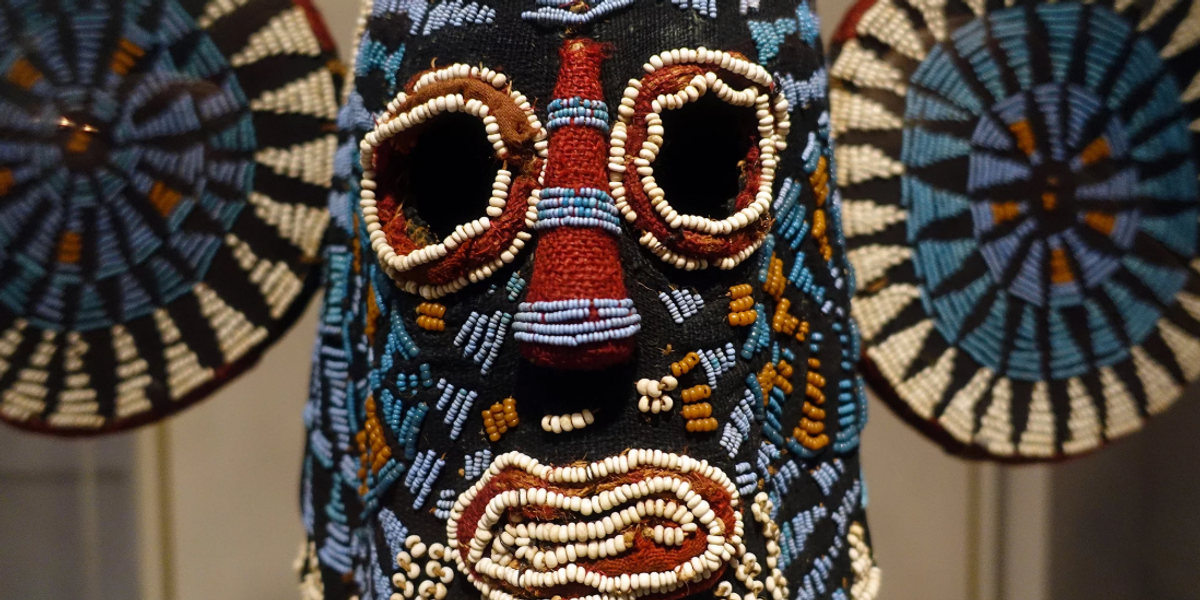
Masks Transform Dancers Into Divine Messengers
When someone puts on a ceremonial mask, they don't pretend to be a spirit. They become one. By donning a mask and its associated costume, the dancer transcends his own identity and transforms into a powerful spiritual being serving as a vehicle through which invisible powers manifest. Among the Dogon, masks worn at dama ensure the safe passage of deceased spirits to ancestral realms. The belief system doesn't allow for performance or imitation; it requires genuine transformation where personality dissolves, and divinity enters.
Ancestral Veneration Creates Continuous Artistic Dialogue.
African belief systems position ancestors not as distant memory but as active participants in daily life, requiring ongoing engagement. Fang societies preserved bones of important deceased individuals in bark containers, believing their relics held great spiritual power, demanding artistic expression. Sculptures, altars, and offerings maintain relationships with those who came before, creating artistic traditions spanning centuries. This reverence manifests through Igbo Ikenga figures reflecting ancestral strength, Zulu beliefs that spirits inhabit natural elements, and Yoruba elaborate masks invoking ancestral presence during ceremonies.
Trends Show Contemporary Artists Merging Tradition With Innovation
Modern African artists haven't abandoned spiritual themes; they've found new languages for ancient conversations. Nigerian artist Peju Alatise combines sculpture, painting, and textile work, exploring identity, spirituality, and societal expectations through contemporary mediums. South African Nicholas Hlobo uses unconventional materials like rubber and leather, creating abstract sculptures evoking spiritual themes and Xhosa heritage. Kenyan Wangechi Mutu addresses African spirituality through collage and installation, proving belief systems adapt whilst remaining foundational.
Symbols Function as Visual Philosophy and Spiritual Maps
African belief systems communicate through visual languages where every pattern carries meaning beyond aesthetics. The Akan people use Adinkra symbols expressing wisdom, unity, and values through geometric designs appearing on cloth, walls, and ceremonial objects. Yoruba Ifa divination employs carved trays called Opon Ifa, where each design serves as a spiritual roadmap for priests reading divine messages. These aren't decorative choices; they're philosophical statements compressed into visual form, allowing communities to carry complex spiritual concepts in portable, shareable formats.
Sacred Spaces Become Physical Manifestations of Belief
Shrines, temples, and ceremonial sites transform African belief systems from abstract concepts into tangible realities. These spaces, adorned with intricate carvings, vibrant paintings, and symbolic objects, create immersive environments transporting worshippers beyond material existence. West African sacred spaces hold special significance as portals to the divine, gathering places for rituals, and repositories of spiritual energy. Art within these spaces serves not as decoration but as an active participant in worship, channeling spiritual forces through form and beauty.
Nature Integration Reflects Holistic Spiritual Worldviews
African belief systems recognize spirits inhabiting trees, rivers, mountains, and animals, making natural elements powerful artistic subjects. This integration of humans with the natural world appears through recurring motifs of animals, plants, and landscapes representing more than scenery. They embody spiritual forces requiring respect, acknowledgment, and artistic representation. Nwantantay masks used by Burkina Faso's Bwa people represent flying spirits taking physical form as insects or waterfowl, whilst Baga beliefs describe water spirits symbolized through snakes, showing how nature and spirituality merge completely.
The relationship between African belief systems and cultural expression reveals something profound about human creativity. Art doesn't just reflect what people believe; it becomes how they believe, creating visible, tangible connections to invisible, intangible realities. Every mask, sculpture, pattern, and symbol represents more than skilled craftsmanship. It represents faith made manifest, ancestors honoured, spirits channeled, and communities bound together through shared visual languages only spirituality could create.
African belief systems shape artistic expression profoundly. From masks to music, spirituality transforms creativity into sacred cultural language.
Visit our website for insights, creator stories, and trends shaping Africa.