How Merchandise Strengthens Fan Identity

Andy Akinbamini
Click to view profile
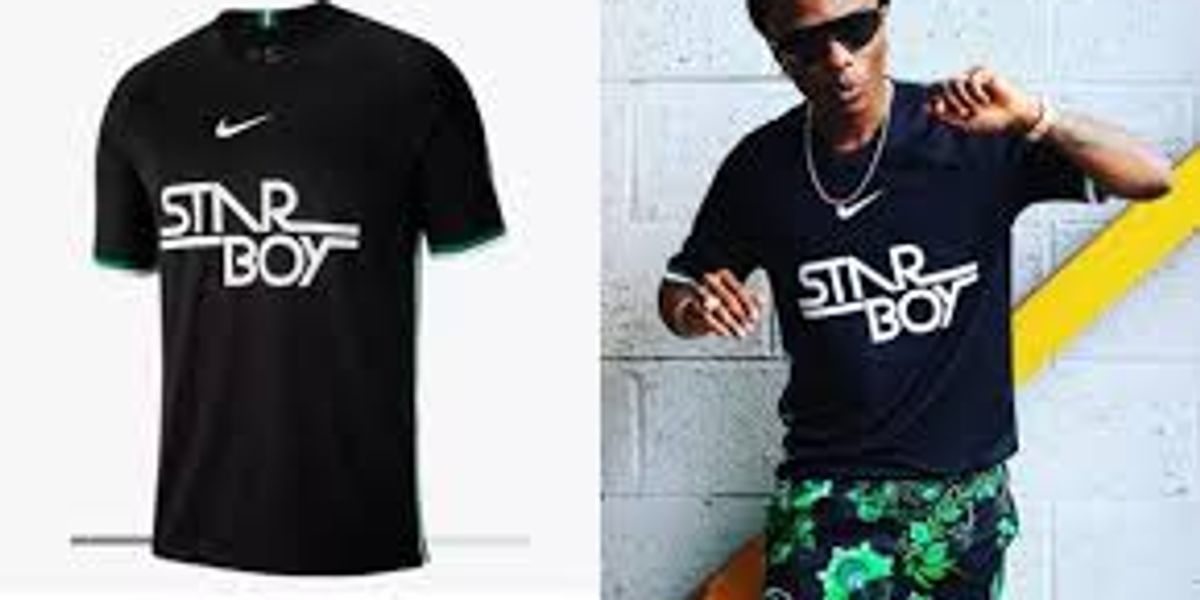
That worn concert t-shirt means more than fabric and print. It represents the night you stood in the rain for three hours, sang until your voice cracked, and felt completely alive surrounded by strangers who became friends through shared passion. Merchandise transforms casual listeners into invested community members who wear their loyalty literally on their sleeves, in their backpacks, and on their bedroom walls.
Fan culture Africa understands something corporate marketing schools teach, but few truly grasp: people don't buy products; they buy proof of belonging. Every jersey, poster, and limited edition album becomes evidence that you were there, you cared, and you remain part of something bigger than yourself.
Physical Objects Create Tangible Connection to Abstract Experiences
Merchandise helps fans express their identity and loyalty by wearing team colours or logos that foster community among supporters. This sense of belonging enhances the overall fan experience whilst offering immersive experiences that bring fans closer to their heroes.
Physical items transform intangible emotional connections into concrete reminders, sitting on shelves, hanging in wardrobes, or proudly displayed across social media profiles as badges of authentic fandom.
Trends Show Merchandise Purchases Signal Psychological Ownership
Fans embed their own time, skills, aesthetics, and emotions into content about idols, leaving traces of self-extension in public images. Through merchandise purchases and participation in offline support events, fans develop a psychological sense of ownership over artists or teams they support. This sense of ownership drives sustained commitment that withstands poor performance, controversial moments, and long gaps between new content releases.
Collectibles Transform Consumption Into Identity Construction
Multiple album versions with different covers become markers of engagement rather than redundant purchases. Fans who acquire all versions reinforce their dedication and connect with other collectors sharing the same interest.
Fan culture in Africa operates through a similar logic, where limited-edition items or region-specific merchandise create hierarchies of devotion, with completionists earning respect from communities that value commitment demonstrated through purchasing behaviour.
Merchandise Serves as Visual Communication Within Communities
Purchase choices reveal belonging, affection, and shared identity among fan networks. The act of consuming within fandom serves as a symbolic form of communication, transforming material goods into a collective language that unites people around shared experiences. When someone spots your artist's logo across a crowded space, instant recognition creates a connection between strangers who know they share values, aesthetics, and cultural references.
Authentic Products Prevent Counterfeit Dilution of Community Bonds
Licensed merchandise maintains exclusivity, separating genuine fans from casual observers. Official products carry emotional value precisely because they cost more and require intentional purchasing decisions rather than impulse grabs.
Fan culture in Africa battles counterfeits not just for revenue protection, but also because fake merchandise undermines the symbolic value that distinguishes devoted supporters from people merely jumping on trends.
Customization Options Deepen Personal Investment Dramatically
Personalised jerseys with names and numbers transform generic products into unique identity markers. Brands that offer customization allow fans to create items that reflect individual preferences while maintaining community affiliation.
This balance between personal expression and collective identity makes customized merchandise particularly powerful at strengthening loyalty, as fans literally see themselves embedded in their fandom.
Merchandise works because humans need physical anchors for abstract emotions. Fan culture in Africa thrives when communities recognise that t-shirts, posters, and albums aren't just products but identity tools helping people answer the fundamental question: who am I and where do I belong?
Merchandise transforms fan culture in Africa through loyalty and identity. Physical products create emotional bonds beyond mere temporary entertainment.
Visit our website for insights, creator stories, and trends shaping Africa.