How African Cultural Education Can Transform the Next Generation

Andy Akinbamini
Click to view profile
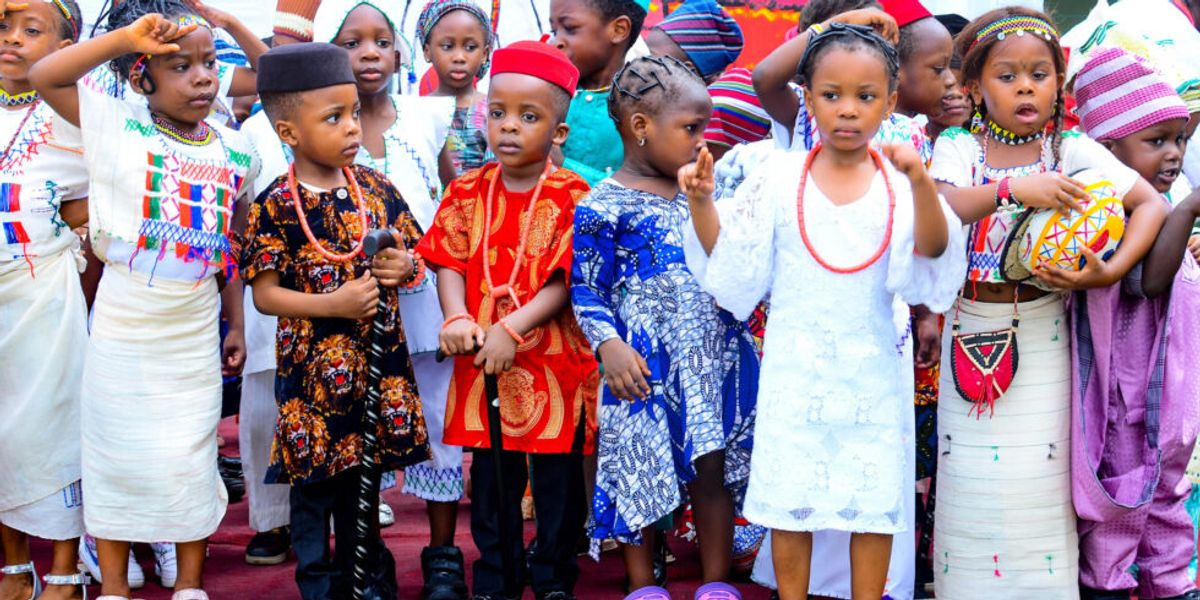
African cultural education represents one of the most powerful tools for transforming how the next generation understands their identity, heritage, and place in the world. Parents and educators increasingly recognize that teaching African history, languages, and traditions builds confident, culturally grounded young people who excel academically and socially.
Heritage learning in Africa goes beyond memorizing dates; it cultivates critical thinking, creativity, and problem-solving skills rooted in centuries of indigenous knowledge systems that successfully guided communities through challenges. The urgency for this transformation cannot be overstated.
Ubuntu Philosophy Promotes Community Learning and Collaboration
Ubuntu principles transform classrooms by emphasizing collective existence rather than individual competition. Teachers implementing Ubuntu allow students to work together as teams, discussing difficult problems and comparing answers, while developing patience for slower learners.
This African worldview promotes acceptance, respect, and kindness, creating learning environments where every child feels valued regardless of background, establishing foundations for peaceful coexistence that extend beyond school walls.
Digital Tools Preserve Indigenous Knowledge for Future Generations
Heritage digitization creates accessible archives that preserve manuscripts, artworks, and oral traditions through initiatives like African Heritage Online and blockchain technology that tracks artifact provenance. Programs such as Heritage Schools in South Africa teach students to map historical sites with drones, combining tradition and innovation.
These technologies ensure that indigenous knowledge survives for heritage learning in Africa, making ancestral wisdom accessible to children who might never visit physical museums or archives.
Trends Show Arts Education Fostering Cross-Cultural Understanding
UNESCO's World Conference on Culture, Arts, and Education emphasizes culturally relevant arts pedagogies advancing social cohesion across Africa. Programs like MABArt International Artistic Residencies connect African students with artists worldwide, promoting cultural exchange through collaborative projects.
Traditional indigenous arts, crafts, music, and storytelling empower communities with skills addressing today's globalized challenges, proving that African cultural education prepares youth for international success without abandoning roots.
Curriculum Reform Replaces Rote Learning With Critical Thinking
Rwanda's curriculum moved away from rote memorization toward collaboration, critical thinking, and digital skills, with 80% of secondary schools using e-learning platforms by 2025. This transformation proves that African cultural education can integrate modern pedagogy without sacrificing cultural content.
Parents and educators benefit from seeing students develop problem-solving abilities while maintaining pride in heritage, creating graduates who think independently and honour traditions simultaneously.
Cultural Education Creates Economic Opportunities Beyond Classrooms
Teaching African culture, history, and heritage opens pathways to careers in tourism, fashion, food industries, and creative sectors. African youth need education on cultures to access business opportunities and collaborative projects, elevating each country's socio-economy.
When children understand their cultural value, they create startups, develop products, and build businesses rooted in authentic African identity, transforming heritage learning in Africa into tangible economic empowerment.
African-Centered Schools Produce Critically Conscious Leaders
Institutions like Sankofa Freedom Academy and Uhuru Academy demonstrate how African-centered methodologies foster a love of learning and a sense of pride in heritage. These schools produce critically conscious scholars through culturally responsive teaching that celebrates students' unique backgrounds.
Parents who choose such institutions report that their children develop stronger self-concepts, greater academic confidence, and a commitment to community transformation, demonstrating that African cultural education produces leaders equipped to address both local challenges and global opportunities.
African cultural education empowers youth through heritage. Heritage learning in Africa builds identity, critical thinking, and global success.
Visit our website for insights, creator stories, and trends shaping Africa.